Raw Dog Food or Kibble? How to Choose What’s Best for Your Dog
Few topics divide dog owners like food. Some swear by raw, others by a good kibble. The truth is that there is no single best diet for every dog. Here is a balanced look at the options, how to read a label, how to switch safely, and what to bring when your dog stays with us.
 The Paw CrewOctober 11, 20266 min read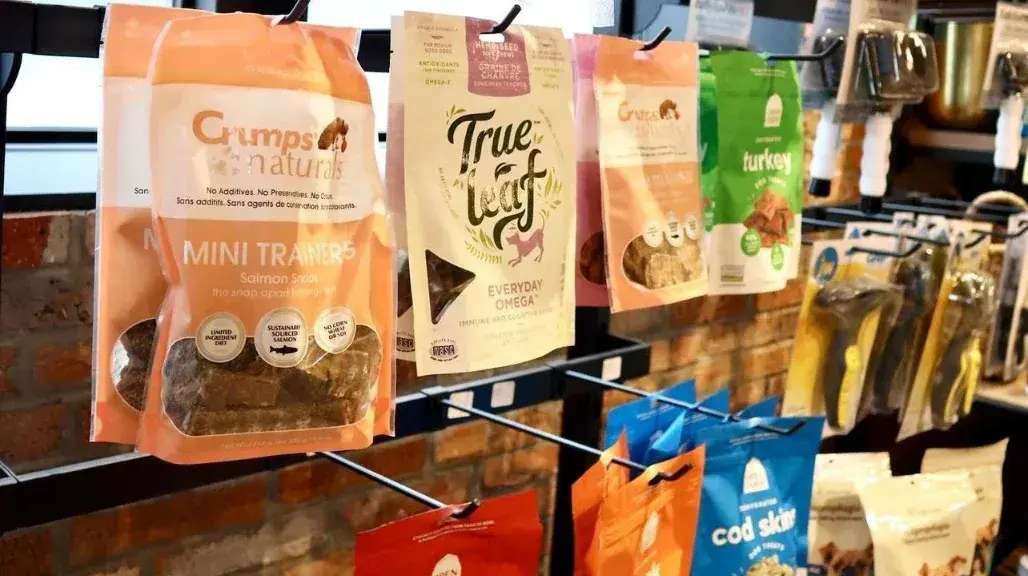
01The main options, honestly compared
- Kibble (dry food): convenient, easy to store and measure, with many complete and balanced recipes for every life stage and budget
- Commercial raw (frozen or freeze-dried): many dogs find it very tasty, and owners like the short ingredient lists; it costs more and needs careful handling
- Homemade raw or cooked: full control of ingredients, but easy to get wrong without a recipe from a veterinary nutritionist
- Wet or canned food: tasty and hydrating, often used as a topper on kibble
- Mixed feeding: many owners combine kibble with a raw, wet or fresh topper
Owners often report shinier coats or smaller stools with one diet or another, but every dog is different. Watch your own dog: energy, weight, stools, skin and coat tell you how a food is working.
02How to read a dog food label
- Look for a statement that the food is “complete and balanced” for a life stage, based on AAFCO standards. Without it, the food is meant as a treat or topper
- Match the life stage: growth (puppies, with large-breed puppy formulas for big dogs), adult maintenance, or all life stages
- Ingredients are listed by weight, before cooking
- The feeding guide is a starting point: adjust to keep your dog at a healthy weight, and count treats too
- Check the calories per cup or per kilo when you compare foods
03How to switch foods without an upset stomach
- Days 1 to 3: about 25% new food, 75% old food
- Days 4 to 6: about half and half
- Days 7 to 9: about 75% new food
- Day 10: 100% new food
Go slower for sensitive dogs. Some soft stool can happen; ongoing diarrhea, vomiting or a dog who won’t eat means a call to your vet.
04Raw food safety at home
Raw meat can carry bacteria such as Salmonella, Listeria and E. coli. Dogs can carry them without looking sick, and pass them on to people. Handle raw dog food the way you handle raw meat for your own dinner:
- Thaw in the fridge, never on the counter
- Wash bowls with hot, soapy water after every meal, and wash your hands
- Clean counters and utensils that touched raw food
- Pick up what your dog doesn’t finish within about 30 minutes
- Be extra careful in homes with babies, seniors, pregnant people or anyone with a weakened immune system, and ask your doctor or vet if raw feeding is a good idea
05Feeding during a boarding stay
A stay away from home is not the time to change food. Keeping meals the same protects your dog’s stomach.
- Bring your dog’s usual food, pre-portioned by meal, plus 2 extra portions in case your return is delayed
- Label each meal with your dog’s name
- Bring medication in pill pockets, with the written dosage
- If your dog eats raw or homemade food, call (514) 938-8899 before the stay so we can confirm how it will be stored and served
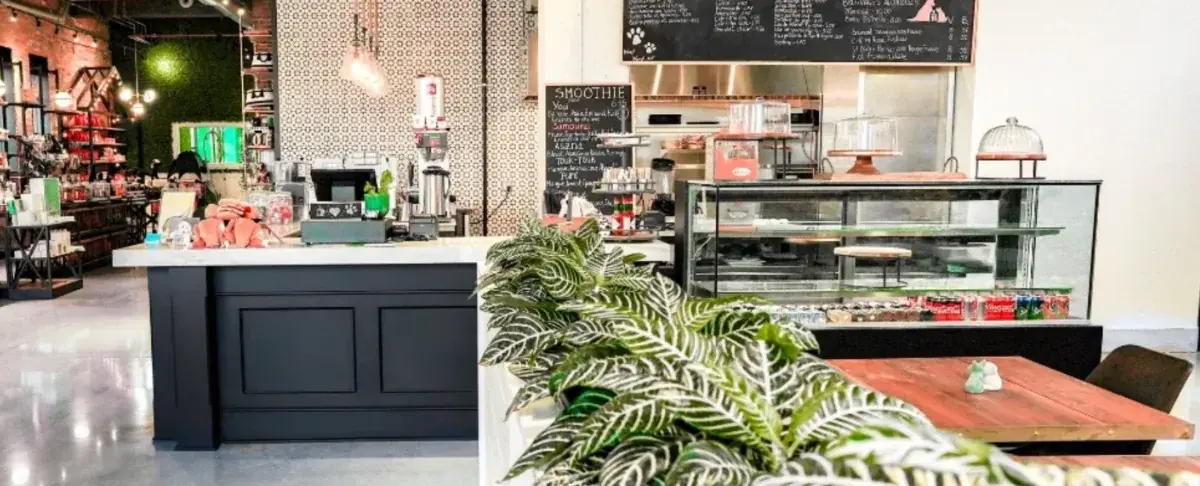
Need to stock up before the trip? Lola’s Corner, the boutique inside Doggieville MTL, carries raw and dry dog and cat food, treats and durable enrichment toys, 7 days a week.

Raw food and kibble FAQ
Written by
The Paw Crew
The Paw Crew is the team that cares for every dog at Doggieville MTL: boarding, daycare, grooming and pool staff who are First Aid certified and spend every day with dogs of all sizes and ages.
Meet the team behind Doggieville MTL